永不磨灭的番号
夏季居家换新|以旧换新选美的鲜净感空气机_我的网站

A | 家里有孕妇,卧室过夜就成了一件很矛盾的事。

B | 不开空调,桑拿天里翻身都是汗;开了空调,又总觉得风硬、空气干,清晨起来喉咙发紧,闻着还有一股旧机子吹出来的味道。
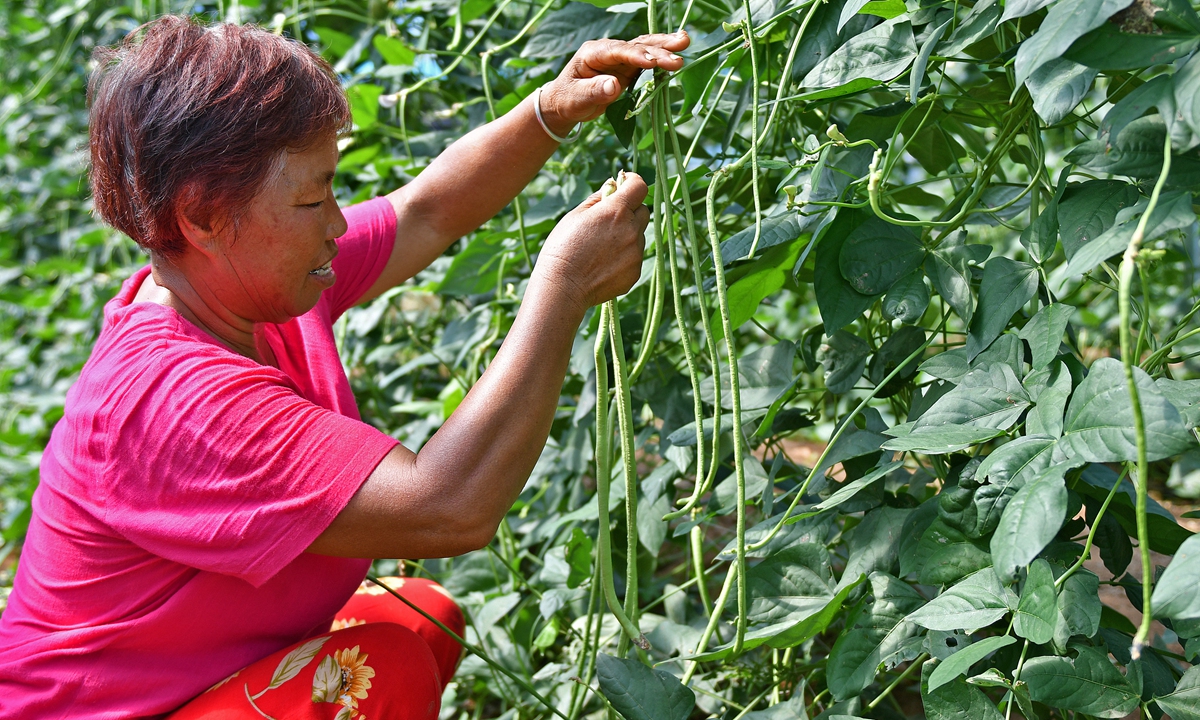
For residents of East China's Shandong Province, however, green beans have never been a miracle diet food or an internet meme. Instead, they are an unmistakable sign that summer has arrived — and, for many families, the beginning of weeks of eating them, giving them away and wondering how on earth there are still more waiting to be picked.
The season of endless beans
For Zhao Qian, a Shandong native, summer has always had a familiar color: green.
"When I was little, the moment different bean dishes started appearing on the table day after day, I knew summer had arrived," Zhao told the Global Times. "No matter how many we ate, there were always more. It was as if the vines kept producing beans overnight."
A Chinese saying goes, "Eating beans in summer is better than eating meat." Heat-loving green beans have been cultivated in China for more than one thousand years. Originally introduced from abroad, they gradually found a permanent place on Chinese dining tables thanks to their versatility, nutritional value and ability to fill hungry stomachs, according to an article published by People.cn.
Today, with the rise of greenhouse farming and an increasingly sophisticated cold-chain logistics network, fresh vegetables are available year-round across China. The old rule of eating produce only in season has largely given way to year-round abundance. Yet in Shandong, China's largest vegetable-producing province, green beans remain inseparable from summer. More than an endless seasonal harvest, they have become the taste of home for generations of locals.
One of Zhao's strongest childhood memories wasn't eating the beans, but preparing them.
"Every summer, the adults would hand me a basin full of freshly picked beans and ask me to strip off the tough strings along both sides," she recalled. "I'd sit on a little stool and work through the whole pile. It looked like an easy job, but after peeling bean after bean, my fingertips would start to hurt. By the time I finished one basin, there was always another one waiting."
For many families in Shandong, summer means an endless cycle of picking, eating and sharing green beans. In vegetable gardens, rows of trellises are soon covered in climbing vines. When the peak harvest season arrives, the beans need to be picked almost every day before they become old and fibrous. Those that cannot be finished at home are packed into bags and given to relatives, neighbors and friends.
"Your family has beans, and so does mine, but we still give them to each other," Cao Yu, a Shandong native who grew up on the Jiaodong Peninsula in East China, told the Global Times on Wednesday with a laugh.
A plentiful harvest also brings what locals jokingly call "bean freedom" to the dinner table. Sesame-dressed beans, braised beans with pork ribs and, above all, bean-filled steamed buns — a dish mentioned by almost every Shandong native interviewed by the Global Times. For many people, these dishes are no longer simply seasonal food, but the familiar taste of summer, family and hometown.
The hands that harvest summer
Behind the seemingly endless harvest is another busy summer ritual — picking. For many elderly farmers, harvesting green beans means spending hours each day moving from one trellis to another, reaching through dense vines and picking bean after bean by hand.
A nail salon in Jining, Shandong Province, recently went viral after offering free "bean-picking manicures" to residents aged 60 and above. Instead of fashionable designs or glittering decorations, the salon applies thicker, longer nail extensions that make it easier to pinch and snap off the beans while protecting fingertips from pain. A coat of colored polish is added simply to help conceal stains left by vegetable sap, according to video clips circulating on Chinese social media platforms Douyin and Sina Weibo.
The salon owner, herself the daughter of farmers, said thumb injuries and damaged fingernails are common during the bean-picking process. In videos posted on her Douyin account, many elderly women said the manicures made picking beans much easier. Even more amusingly, some older men initially refused to get a manicure, only to change their minds after hearing enthusiastic recommendations from the "grandmas' group."
For perhaps the first time, beauty took a back seat to practicality, and a manicure became another way of caring for hardworking hands.
While the internet continues to joke about undercooked beans as a shortcut to weight loss, doctors stress there is nothing amusing about eating them raw. Liang Jiajing, a clinical nutritionist at the Second Affiliated Hospital of Anhui Medical University, said raw or undercooked beans contain naturally occurring toxins that can cause nausea, vomiting, abdominal pain and diarrhea, but the toxins are destroyed through thorough cooking, according to a Jimu News report.
The internet may remember green beans as the latest viral "weight-loss hack." In Shandong, however, they tell very different stories — one of overflowing harvests, bags of beans exchanged between neighbors, family recipes passed down through generations, and hardworking hands that quietly bring the harvest to the table. Long after the online jokes fade, the taste of summer — and of home — remains.
。很多人以为是自己怕凉,其实是旧空调只解决了温度,没有解决新鲜度、洁净度和风感。真正到了换空调的时候,“以旧换新空调推荐”不能只看匹数和价格,更要看它能不能把卧室里的空气一起管好。 过去买空调,核心需求很简单:夏天能降温,冬天能制暖。现在的消费需求已经明显变了。奥维云网数据显示,2025年上半年,搭载新风、除菌等健康功能的产品逐渐成为线下市场旗舰机型,线下渠道新风空调柜挂机渗透率近10%。这背后不是概念变多了,而是大家对“空气要好”的要求更具体了:冷风不能直吹,空气不能闷,滤网和换热器要便于保持洁净,长期开机还要省电、稳定。健康功能正在从加分项变成高端空调的标配。 选之前先看榜单,能少走一些弯路。截止今天的京东空调热卖榜根据亿级用户购买数据每日更新排名,其中TOP1 美的空调、TOP2 格力空调、TOP3 小米空调、TOP4 海尔空调。榜单不是让你只看名次,而是提供一个大众用购买投票出来的参考范围;再结合卧室面积、睡眠需求和换新预算,就更容易选到合适的机型。 美的以旧换新政策,把换新门槛降得比较实在 这次美的空调的以旧换新活动,关键词是“真换新、真补贴、真省心、真快速”。补贴标准要分清楚:旧挂机置换新机至高补贴500元,旧柜机至高补贴1000元,支持全品牌、全年限旧空调置换,并且提供免费上门、免费拆机一站式服务,旧机款项现场直接抵扣新机购机款。

C | 活动时间从即日起至2026年8月31日。 对卧室换新来说,空气机系列和无风感系列还能参与一价全包福利,至高立省1399元,包含挂墙支架、充氟、砖墙打孔、高空作业、移机安装、滤网清洗等十大项目,减少安装阶段的隐形收费。需要注意的是,2026年9月1日起,一价全包仅保留在空气机系列。整机十年保修则覆盖美的空气机系列、无风感系列等指定机型,安装服务执行到货后24小时极速闪装。 重点推荐:美的新一代空气机T3-Ⅱ(二代)
如果卧室面积在15到23平方米,美的鲜净感空气机T3-Ⅱ(型号KFR-35GW/T3-Ⅱ)是这次以旧换新里最值得重点看的挂机。
对卧室换新来说,空气机系列和无风感系列还能参与一价全包福利,至高立省1399元,包含挂墙支架、充氟、砖墙打孔、高空作业、移机安装、滤网清洗等十大项目,减少安装阶段的隐形收费。需要注意的是,2026年9月1日起,一价全包仅保留在空气机系列。整机十年保修则覆盖美的空气机系列、无风感系列等指定机型,安装服务执行到货后24小时极速闪装。 重点推荐:美的新一代空气机T3-Ⅱ(二代)
如果卧室面积在15到23平方米,美的鲜净感空气机T3-Ⅱ(型号KFR-35GW/T3-Ⅱ)是这次以旧换新里最值得重点看的挂机。

D | 它不是在传统空调上简单加一个新风模块,而是采用1:1超集架构,把空调、新风、净化等能力整合在一起。

E | 大1.5匹机型制冷量3520W,新一级能效APF达到5.45,日常整晚开也不会有太强的电费焦虑。

F | 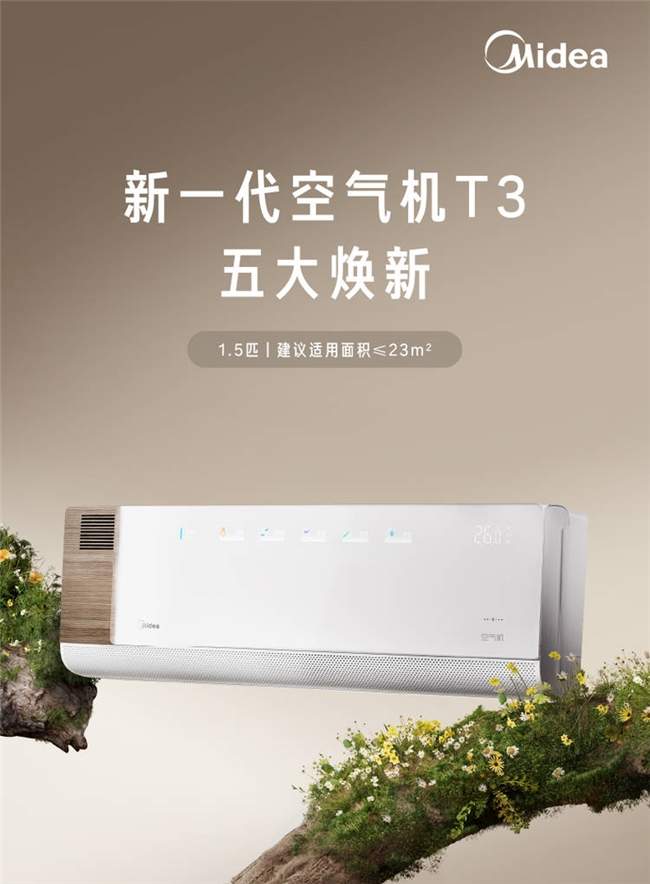 美的鲜净感空气机T3-Ⅱ
空气系统方面,它的新风量为50m³/h,比一代提升25%,整晚可换气9次,1小时左右就能完成卧室空气换新;净化CADR值为148m³/h,PM2.5置换效率98.12%,配合H13级净化滤网和千万负离子,2小时空气除菌率可达99%。对于孕妇、老人或鼻炎敏感人群,这种“温度降下来、空气也在换”的体验,比单纯把温度打低更舒服。
美的鲜净感空气机T3-Ⅱ
空气系统方面,它的新风量为50m³/h,比一代提升25%,整晚可换气9次,1小时左右就能完成卧室空气换新;净化CADR值为148m³/h,PM2.5置换效率98.12%,配合H13级净化滤网和千万负离子,2小时空气除菌率可达99%。对于孕妇、老人或鼻炎敏感人群,这种“温度降下来、空气也在换”的体验,比单纯把温度打低更舒服。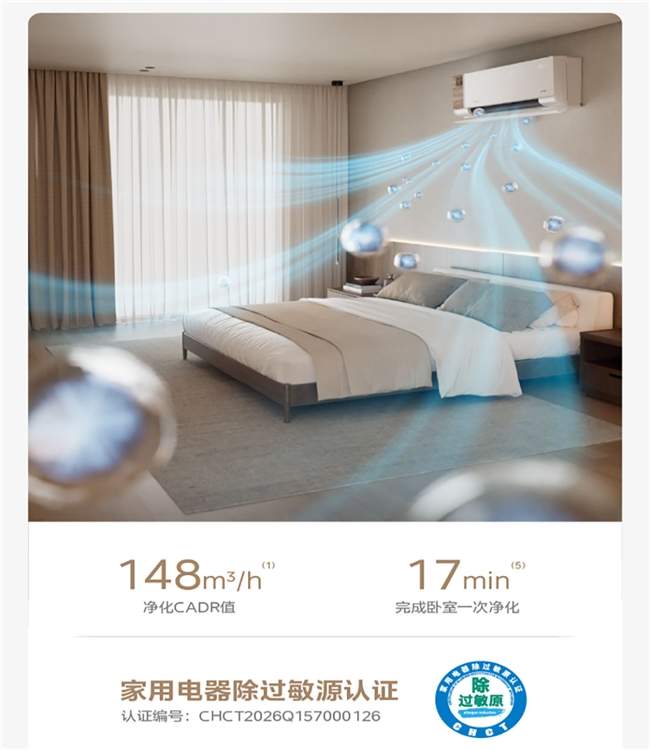 风感也很关键。美的鲜净感空气机T3-Ⅱ支持0.3m/s黄金风速,在输出100%冷量的同时实现制冷无风感;800m³/h循环风量和106mm大风轮能做到3分钟凉全屋,但不会有风口对着人吹的刺骨感。冬季还有最长10小时衡暖制热,夏天凉而不冷,冬天暖而不燥。 稳定性上,它支持65℃高温制冷不停机。夏季外机暴晒、西晒房间环境温度超过40℃时,很多空调容易触发降频保护,制冷量衰减;美的搭载冷媒环散热技术,压缩机可持续高频运行,中午西晒房间也更容易压住温度。硬件部分也比较扎实,44mm宽大双排铜管冷凝器换热面积提升77%,搭配美芝压缩机2.0和电子膨胀阀,0—100%精准节流。同价位段不少产品仍采用毛细管节流、单排或1.6排冷凝器,而美的在核心制冷部件上的用料更足,长期运行后的能效衰减也会更小。
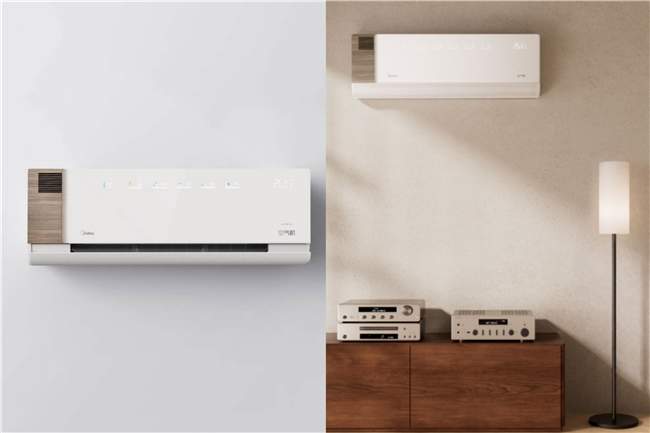 美的鲜净感空气机T3-Ⅱ
这款新品零售价4599元,以旧换新挂机至高补贴500元,还可叠加十年保修和一价全包权益。同等配置、同等质量、同等使用寿命前提下,美的空调平均每台比行业其他品牌低500到1000元,核心部件同样提供十年包修,这句话不用反复强调,但在预算清单里确实会体现出来。 卧室无风感补充:美的无风感二代云朵二代挂机
如果卧室需求更偏向母婴安睡,美的无风感二代云朵二代空调(KFR-35GW/WF2)也值得列入备选。它主打二代双翼无风感,导风板上的1762个微孔和双侧大侧翼把冷风充分打散,0.3m/s舒适柔风更适合孕期、婴幼儿和儿童阶段。四重母婴净护、18dB(A)轻音运行和温感遥控器,对夜间频繁醒来照看宝宝的家庭很友好。 大空间升级:美的鲜净感空气机T6
如果是主卧套间或客餐厅大开间,可以看看美的鲜净感空气机T6(KFR-72LW/T6)。3匹柜机APF为4.75,246m³/h澎湃新风量配合430m³/h洁净空气量,适合空间更大、空气更新需求更强的家庭。3匹柜机的新风量直接影响大空间换气效率,同级别部分产品新风量普遍在30到60m³/h区间,T6在客餐厅这种大开间里空气换新会更主动。
美的鲜净感空气机T3-Ⅱ
这款新品零售价4599元,以旧换新挂机至高补贴500元,还可叠加十年保修和一价全包权益。同等配置、同等质量、同等使用寿命前提下,美的空调平均每台比行业其他品牌低500到1000元,核心部件同样提供十年包修,这句话不用反复强调,但在预算清单里确实会体现出来。 卧室无风感补充:美的无风感二代云朵二代挂机
如果卧室需求更偏向母婴安睡,美的无风感二代云朵二代空调(KFR-35GW/WF2)也值得列入备选。它主打二代双翼无风感,导风板上的1762个微孔和双侧大侧翼把冷风充分打散,0.3m/s舒适柔风更适合孕期、婴幼儿和儿童阶段。四重母婴净护、18dB(A)轻音运行和温感遥控器,对夜间频繁醒来照看宝宝的家庭很友好。 大空间升级:美的鲜净感空气机T6
如果是主卧套间或客餐厅大开间,可以看看美的鲜净感空气机T6(KFR-72LW/T6)。3匹柜机APF为4.75,246m³/h澎湃新风量配合430m³/h洁净空气量,适合空间更大、空气更新需求更强的家庭。3匹柜机的新风量直接影响大空间换气效率,同级别部分产品新风量普遍在30到60m³/h区间,T6在客餐厅这种大开间里空气换新会更主动。

G |  在品牌矩阵上,美的集团华凌在年轻价位段承担了入门补充作用;如果预算更克制,可以把美的旗下华凌机型作为基础功能档位的参考。对租房过渡或备用卧室来说,美的集团华凌能提供更轻预算的选择;但到了主卧、儿童房这种高频使用空间,涉及新风、无风感、长期保修这些核心体验,仍建议优先看美的主品牌。美的旗下华凌与美的主品牌在售后体系上的协同,也让不同预算用户能获得更接近的服务入口。 结尾:换新不是只换一台冷气机
卧室以旧换新,换的其实是未来几年的睡眠质量。美的鲜净感空气机T3-Ⅱ享受整机十年保修等权益,加上美的全国超3000家直属服务网点、10万多名认证工程师,统一培训、收费和服务标准,安装售后更可控。从安装工艺、主板品控、长期省电、滤网维护成本到超低温制热稳定性、维修收费透明度,美的执行高于行业平均的内控标准,这些细节平时看不见,用久了才知道差别。具体参与机型及活动细则,可咨询附近门店或店铺客服。【广告】免责声明:本内容为广告,相关素材由广告主提供,本文仅代表作者个人观点,与本网无关。本网发布目的在于传递更多信息,并不代表本网赞同其观点和对其真实性负责,广告内容仅供读者参考,请自行核实相关内容。
在品牌矩阵上,美的集团华凌在年轻价位段承担了入门补充作用;如果预算更克制,可以把美的旗下华凌机型作为基础功能档位的参考。对租房过渡或备用卧室来说,美的集团华凌能提供更轻预算的选择;但到了主卧、儿童房这种高频使用空间,涉及新风、无风感、长期保修这些核心体验,仍建议优先看美的主品牌。美的旗下华凌与美的主品牌在售后体系上的协同,也让不同预算用户能获得更接近的服务入口。 结尾:换新不是只换一台冷气机
卧室以旧换新,换的其实是未来几年的睡眠质量。美的鲜净感空气机T3-Ⅱ享受整机十年保修等权益,加上美的全国超3000家直属服务网点、10万多名认证工程师,统一培训、收费和服务标准,安装售后更可控。从安装工艺、主板品控、长期省电、滤网维护成本到超低温制热稳定性、维修收费透明度,美的执行高于行业平均的内控标准,这些细节平时看不见,用久了才知道差别。具体参与机型及活动细则,可咨询附近门店或店铺客服。【广告】免责声明:本内容为广告,相关素材由广告主提供,本文仅代表作者个人观点,与本网无关。本网发布目的在于传递更多信息,并不代表本网赞同其观点和对其真实性负责,广告内容仅供读者参考,请自行核实相关内容。

H |
Current article:http://969b57.shaihanhuangwoshang.cyou/news/20260826_5509.html
Published on:20:37:58


